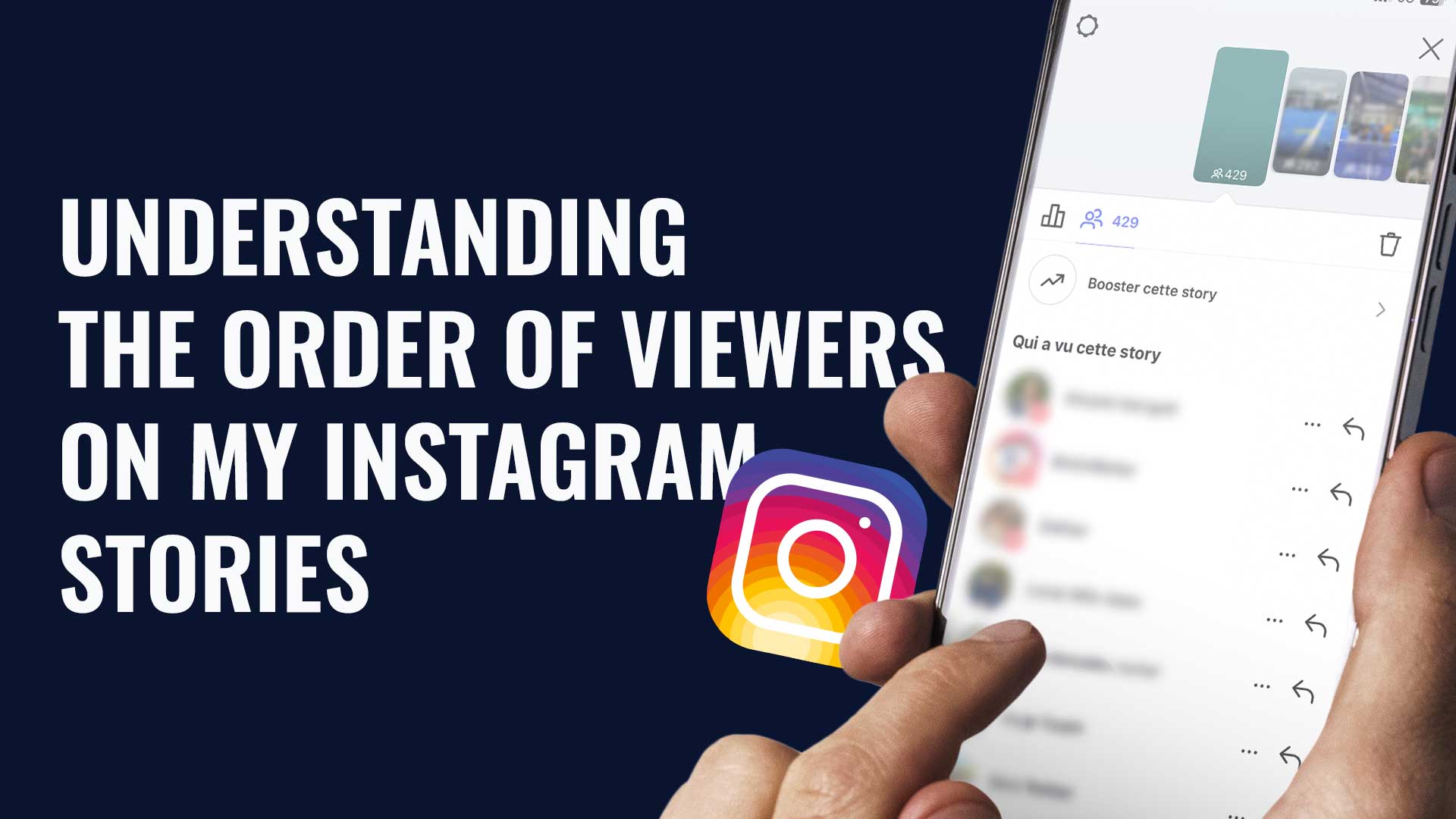
Instagram Stories offer a more immediate way to share an update, ask a question or show everyday work. They can complement permanent posts rather than replace them. Use them to support a genuine relationship, not simply to occupy every available space in a follower's day.
Understand the format
Stories combine images, video and text in a temporary sequence. They normally remain visible for a limited period, while available archive or Highlight options can preserve selected material. Do not assume that temporary visibility means a viewer cannot save or share what appears.
Interactive elements such as questions or polls can help when they are available for your account. Choose the feature that fits the message. Too many stickers, tiny text or decorative effects can make an otherwise simple update difficult to understand.
Why use Stories for your audience?
A short sequence can show people, a process or a practical detail that would not justify a long standalone post. It can also invite a direct reply. This gives you opportunities for conversation, without guaranteeing that Stories will be seen more often than feed publications.
Define a purpose before posting. You may want to explain availability, gather questions or clarify a product. A clear purpose helps you decide what to show and whether the subject belongs in a Story or in a more permanent resource.
1. Publish relevant content regularly
Choose subjects your audience recognises: preparation, practical advice, new work or answers to recurring questions. Use a clear beginning and progression when several frames are needed. Make essential information readable without requiring people to pause repeatedly.
Set a rhythm your team can sustain. Publishing every day is not a universal requirement. A useful sequence prepared with care may serve your audience better than frequent updates produced only to meet an arbitrary quota.
2. Give appropriate context
A relevant location or descriptive hashtag can explain the subject, where supported. It is not a promise that the Story will appear in a public search or reach a new audience. Avoid unrelated popular tags that do not help understanding.
Consider privacy before revealing a location. Do not expose a customer's address, someone's current whereabouts or sensitive information simply because a sticker makes it easy to do so.
3. Invite genuine contributions
Ask a focused question or invite customers to show how they use a product. Make participation optional and explain the intended use. Obtain appropriate permission before republishing someone's image or words, even when the original post mentions your brand.
If you organise a contest or promotion, prepare suitable conditions separately. A Story is a communication format, not a ready-made set of participation rules or permission to reuse every submission.
4. Collaborate thoughtfully
Choose creators or partners whose subject and audience fit your offer. Agree on what will be shown and how material can be used. Keep recommendations honest and make commercial relationships clear when relevant.
Learn from actual responses
Review views, replies and available completion indicators in context. Notice where questions repeat or information seems unclear. Adjust the sequence and publishing rhythm accordingly. Audience relationships develop through useful exchanges over time, not through a guaranteed follower acquisition formula.