
Instagram videos can demonstrate a product, explain a process or introduce your team. Their usefulness depends on the subject, execution and audience, not on the assumption that video always outperforms every other format. Build a repeatable method before increasing production.
1. Understand the audience
Look at the questions people ask and the content they respond to. Identify what they need to see rather than copying a popular video unrelated to your offer. Your own results provide a starting point, not a perfect prediction of future performance.
2. Plan before recording
Define one subject, a useful opening and the main steps. Prepare the necessary product, location and people. Add the video to your calendar with time for review, captions and approval rather than treating editing as the only production task.
3. Make the message clear
Use sufficient light and a stable frame. Record understandable speech and provide readable captions where helpful. Show the action clearly, remove irrelevant passages and include an appropriate next step. Do not hide important information in text too small to read on a phone.
4. Help people understand the topic
Write a caption that accurately describes the video. Use a clear opening and explain unfamiliar terms. Discoverability should start with relevant content, not misleading promises, artificial engagement requests or a supposed shortcut to the recommendation algorithm.
5. Choose relevant hashtags
Use hashtags that describe the actual subject and context. Popularity alone does not make a tag appropriate. Avoid copying the same unrelated list everywhere or assuming a particular number guarantees visibility. The video still needs to answer a real interest.
6. Maintain the conversation
Respond to useful comments and incoming messages through compatible features. Clarify recurring questions and use them to inform future videos. Keep personal information out of public replies and do not promise that every interaction can be handled through every connected tool.
7. Collaborate with suitable people
A creator, partner or colleague can bring relevant expertise and a different perspective. Agree on the subject, responsibilities and usage rights before filming. Make commercial relationships clear where appropriate and choose genuine fit over follower numbers alone.
8. Review the available indicators
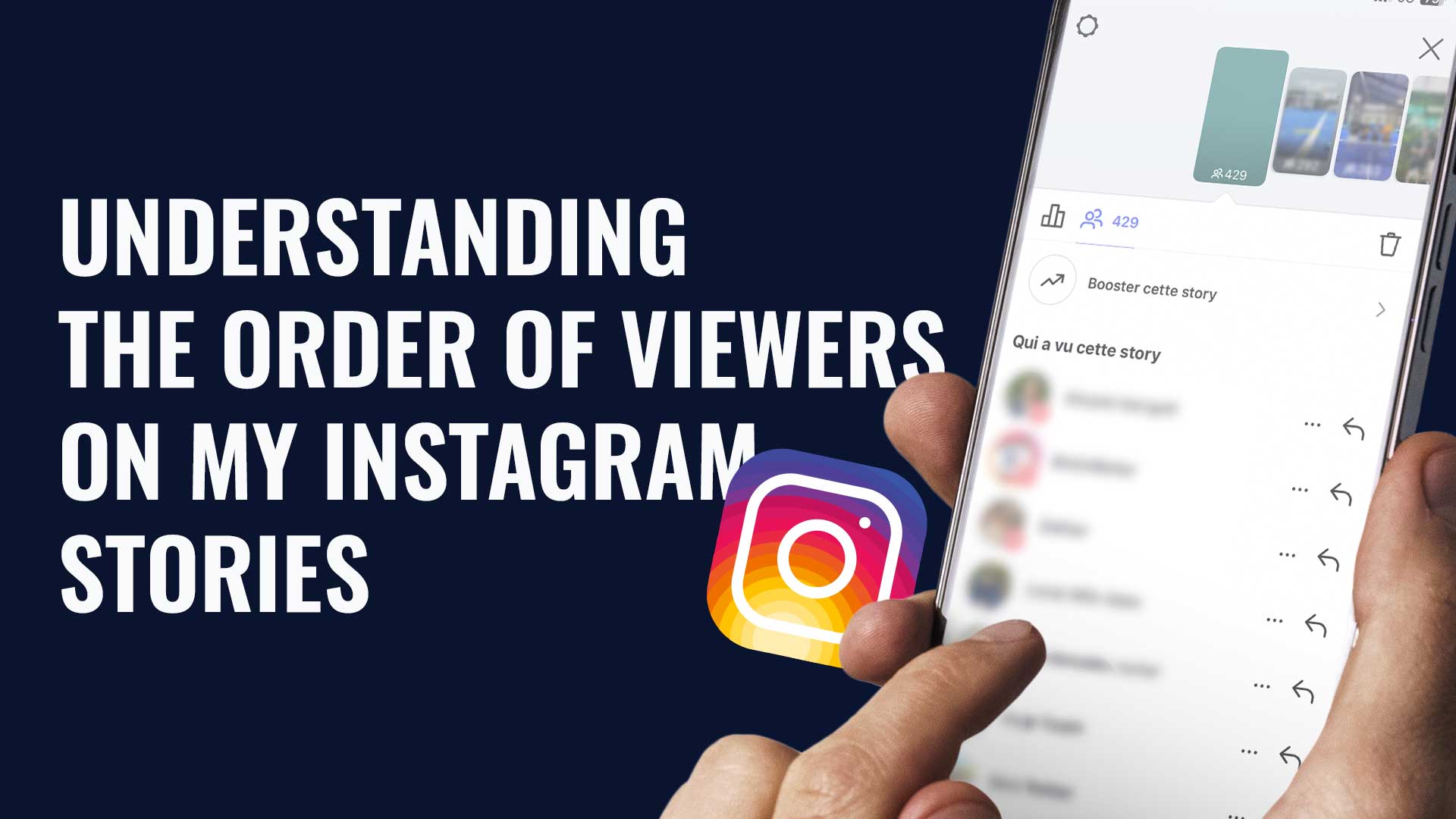
Consider views, interactions and retention where those metrics are available. Each describes something different. A short demonstration and a longer explanation may have different purposes, so compare context and objectives rather than ranking all videos by one number.
9. Keep a recognisable style
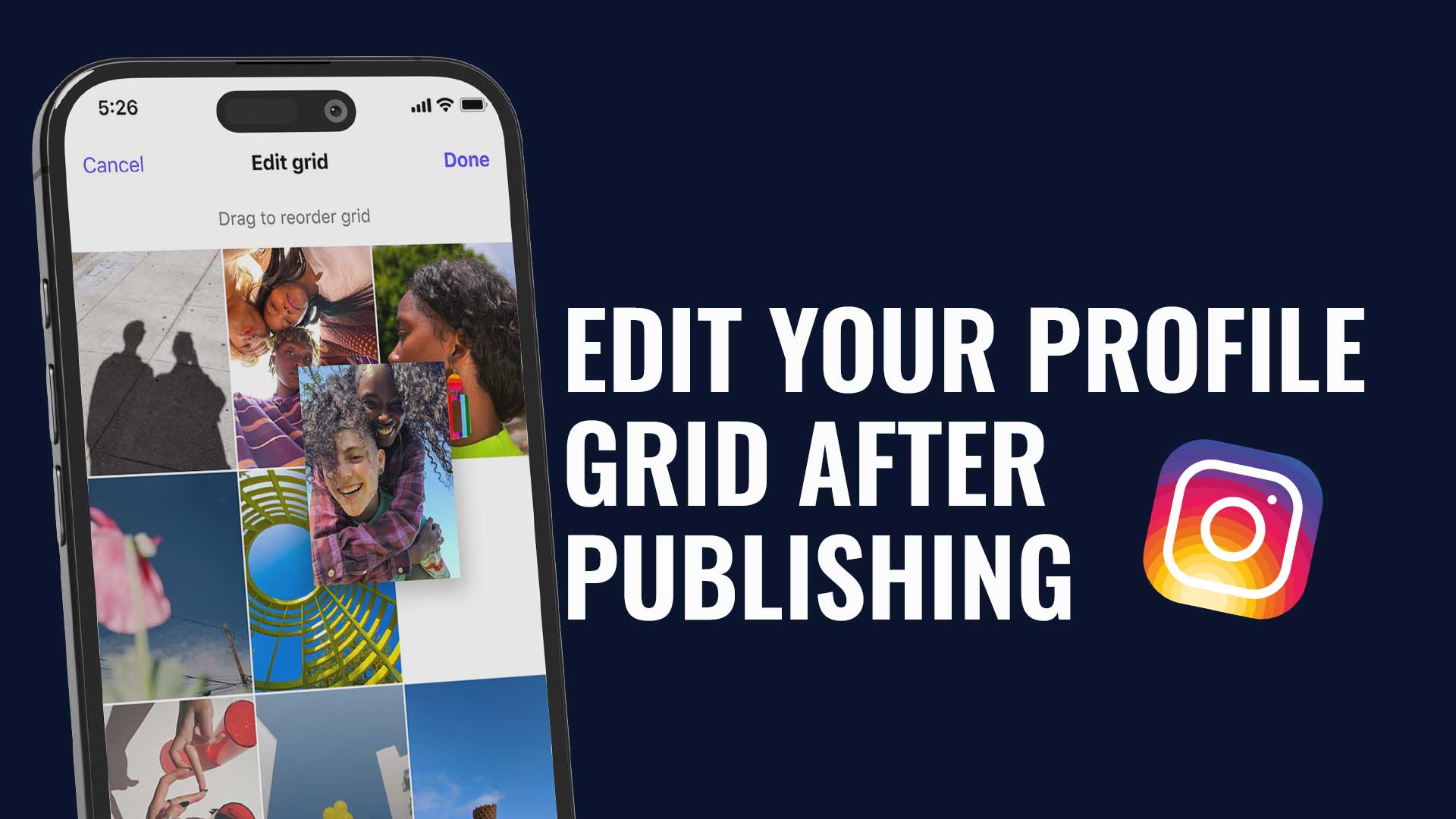
Use a coherent voice and visual approach while adapting to the topic. Choose a manageable publishing rhythm; there is no universal frequency that every account must follow. Consistency is easier to sustain when the workload matches your team's actual capacity.
10. Organise the workflow
Tools such as Dailyfy can help prepare, schedule and review supported content. Check the formats and account connections involved. Some native creative features may require finalisation in Instagram, so leave room for that step instead of assuming complete automation.
Improve one thing at a time
Test a clearer introduction, a more focused subject or a better demonstration. Keep notes about what changed and what you observed. Practical improvements and audience feedback offer a stronger foundation than fixed old duration rules or promises that every Reel will generate growth.