Pinterest can help people discover visual ideas and explore products or resources they want to revisit. For a business, the useful question is how that discovery connects to a relevant offer, article or other destination.
A presence needs more than attractive images. Clear organisation, useful descriptions and a coherent next step give Pins a purpose. These ten steps help you build that approach without assuming the platform automatically generates sales.
Why consider Pinterest?
People use visual collections to prepare projects, compare possibilities and find inspiration. If your activity fits those interests, Pinterest can provide another way to present it. Define the intended audience and objective before investing in a large publishing programme.
1. Create a business account
Use the professional account options appropriate to your situation. Choose a recognisable business name and connect the relevant website information. Review the tools offered to the account rather than assuming every feature is available immediately.
2. Make your profile understandable
Use a clear brand image and a short description of what people can find. Provide useful contact or website details where appropriate. The profile should explain the business without requiring visitors to inspect every board first.
3. Organise relevant boards
Group Pins by themes that make sense to your audience. A clothing business might distinguish product categories or seasonal ideas. Use descriptive titles and explain each collection instead of creating many overlapping boards with vague names.
4. Prepare useful visual content
Choose images or videos that represent the subject clearly. Add informative wording and relevant keywords naturally. Check that the destination continues the same promise: a product Pin should not lead to an unrelated page.
5. Participate in the community
Explore relevant accounts and collections, and respond to useful conversations where the available functions allow it. Listening helps you understand audience interests. Participation should be meaningful, not a repeated promotional message placed under other people's content.
6. Understand rich Pins
Eligible rich Pins can draw additional information from a linked site, such as product, article or recipe information. They require suitable site metadata and applicable eligibility. They are not simply ordinary Pins with a more decorative image.
Check the current Pinterest requirements and the quality of the source information. An incorrect price or title on the site should not be left unreviewed because an automated process is involved.
7. Review available analytics
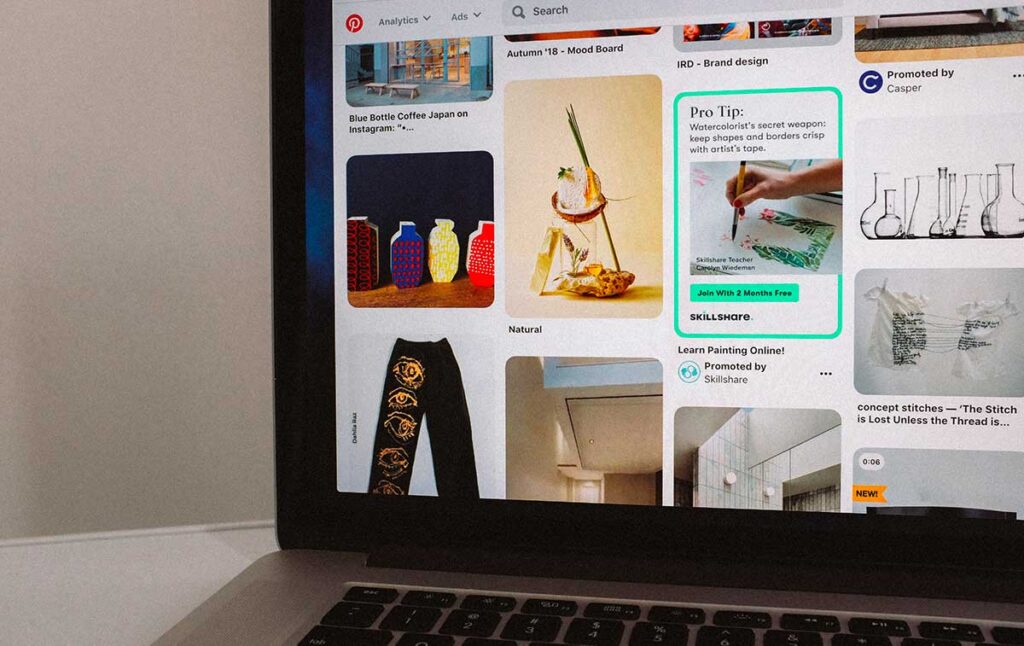
Look at the indicators your account offers and compare them with the goal of the content. Attention, saving and visits are different actions. Identify useful patterns across Pins rather than judging the entire strategy from one unusually successful item.
8. Make the account discoverable
Where relevant, introduce your Pinterest content on your website, in an email or on another network. Explain why the collection is useful. Check the integration and destination rather than adding buttons or embeds without a purpose.
9. Follow relevant trends
Observe themes and visual ideas in your field. Trends can inspire a new collection or a seasonal angle, but popularity alone is not a reason to change your positioning. Keep the relationship with your audience clear.
10. Experiment deliberately
Try a different visual treatment, subject or description and observe the result. Change with a purpose so you can learn something. Audience feedback and available analytics should inform the next step, not only your own preference for a design.
Maintain a coherent practice
A useful Pinterest presence connects profile, boards, Pins and destination pages. Keep those elements current and evaluate outcomes against realistic objectives. Consistent preparation and relevant content matter more than treating the platform as an automatic source of customers.