Choosing between Bluesky and X is not simply a question of selecting the larger number in an audience table. Ask where the people you want to reach participate, what you intend to publish and which controls your team needs. Keeping both networks is also an option.
Understand their positioning
X continues the history of Twitter while developing its service and commercial features. Bluesky uses the AT Protocol and emphasises choices around feeds and moderation. Neither description establishes that one community is always more useful, safer or more welcoming for every person.
Figures from a particular migration period are not a current market comparison. Registered accounts, active users and daily visitors are different measures. Avoid combining them to claim a precise audience advantage.

Compare the publishing experience
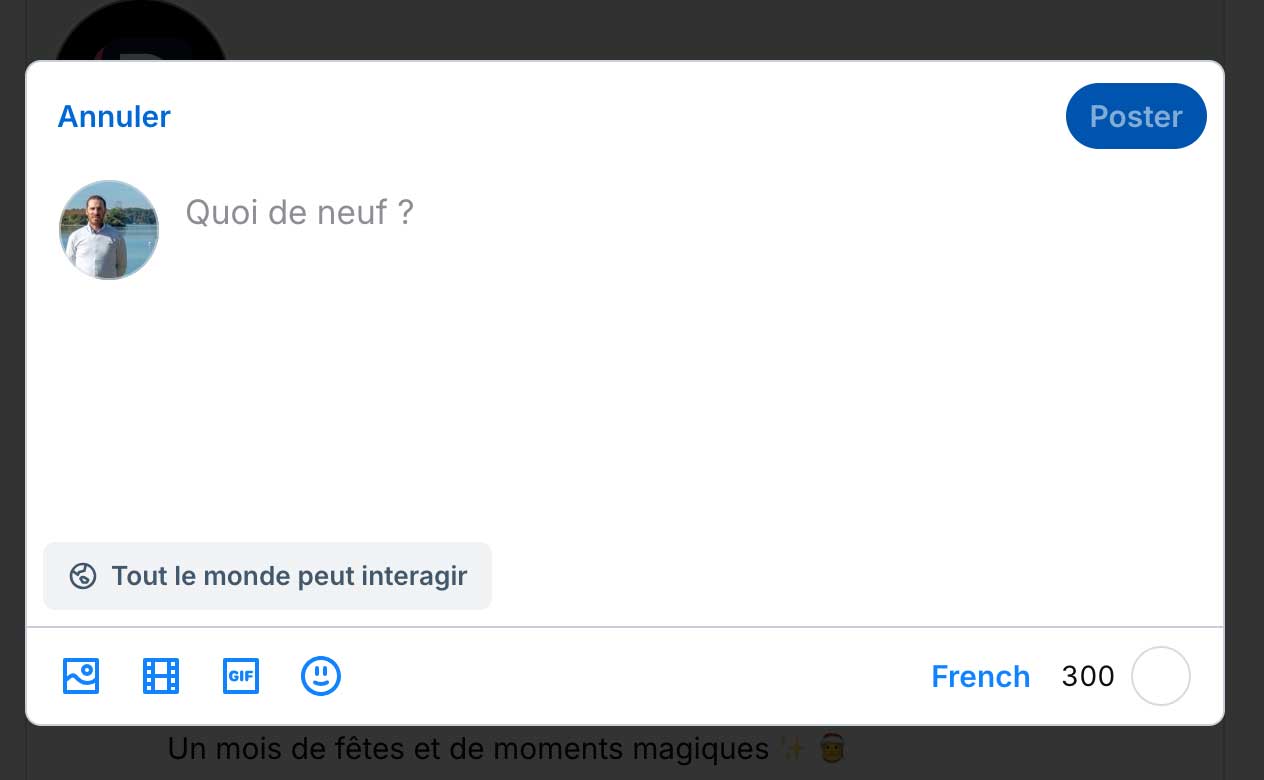
Both services support short posts, replies and sharing. Check current text and media requirements for the account and publishing connection you actually use. Features available through the native application may differ from those available through an external tool.
Bluesky's custom feeds offer ways to organise discovery beyond a single standard feed. Starter packs help identify groups of accounts around an interest. Review their contents yourself rather than treating a collection as an endorsement of every included person.
Check identity and privacy
A domain-based handle can help connect a Bluesky identity with an organisation's website. Identity signals and badges should still be examined in context. Do not assume a familiar image or display name proves who controls the account.
Read the current privacy and data-use terms of each service. Decentralised infrastructure is not a promise that public posts remain private or cannot be collected by others. Choose what you publish with that distinction in mind.

Review moderation controls
Inspect available blocking, muting, reporting and content-filtering functions. Bluesky's approach includes user choices and additional moderation services. Check what each setting actually affects, rather than assuming it gives complete control over all visibility or interaction.
For a team, decide who monitors mentions and how difficult conversations are escalated. A platform's overall reputation cannot replace procedures for your own account.
Try the everyday workflow
Test the mobile application, notifications and feed settings with realistic tasks. Decide which alerts deserve attention and which create noise. Ease of use depends on your habits and required work, not just the similarity of the interfaces.
Find the relevant communities
Search for customers, specialists, journalists or partners in your field. Read actual discussions before judging the quality of networking. A smaller relevant group can matter more than a large theoretical audience that rarely discusses your subject.
Evaluate creation and monetisation
Check the current availability, conditions and cost of creator features or revenue programmes. A paid subscription is an expense, not automatically creator income. Do not base a decision on an old rumour about a future Bluesky subscription or a guaranteed advertising payout.
Measure your own results
Compare relevant replies, visits and enquiries using the indicators available to you. Use consistent periods and comparable content. Isolated publisher examples do not establish that one network guarantees higher traffic or conversion for everyone.
Questions before choosing
Which features matter most?
List the formats, scheduling connections and feed controls your work requires. Verify them before moving an established workflow.
Which service offers the right protection?
Review current settings and policies. Neither a badge nor a public protocol removes the need for account security and careful sharing.
Where should professional networking happen?
Choose the places where relevant people actually exchange information. Test conversations rather than assuming a universally superior professional network.
Which option supports creator income?
Check eligibility and actual programmes separately from paid account features. Evaluate audience response and commercial opportunities without relying on speculative promises.