
Cross-posting means using one core piece of content across several social networks. It can reduce repeated production work while preserving a coherent message. The useful version of this practice is not identical copying everywhere: it considers what each audience needs and what each destination supports.
Distinguish reuse and automation
Reuse concerns the editorial material. Automation concerns how a prepared publication is released, for example through scheduling. You can adapt a message manually across networks, or schedule those adapted versions from a shared workflow. The two concepts are related but not interchangeable.
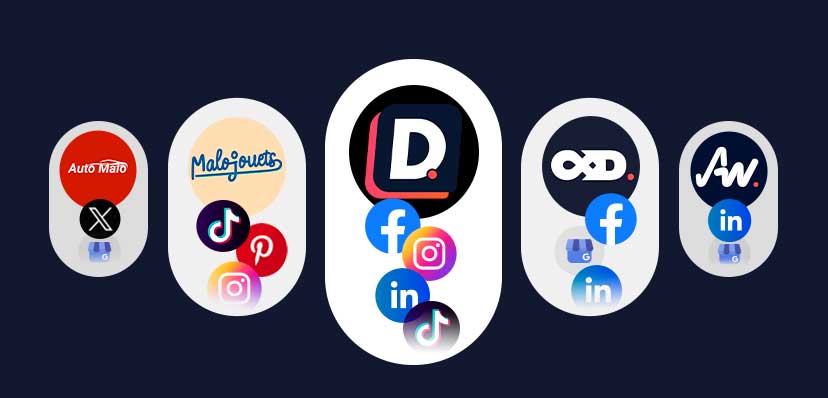
A common announcement can provide the starting point for several posts. This does not mean every idea belongs everywhere. Decide which audiences are concerned before selecting accounts simply because they are connected to your publishing tool.


Avoid the common mistakes
Ignoring the context
A professional explanation, a product demonstration and a short conversational update may need different openings. Do not reduce an entire network to a stereotype, but consider the people who follow you there and the purpose of their visit.
Using unsuitable media or text
Check supported length, image proportions and video requirements for the actual format. A caption that fits one editor may not fit another. Review current limits instead of relying on a table that assumes every account has identical capabilities.
Keeping inappropriate instructions
A reference to a bio link, a repost action or a platform-specific feature may not work in another version. Remove instructions the reader cannot follow. Repetition across accounts is not automatically a policy violation, but poor adaptation can disappoint people.

Adapt the message deliberately
Keep the central information consistent while adjusting tone, structure and detail. A short question may suit one version and a more developed explanation another. Preserve accurate dates, offer conditions and essential facts in all variations.
Use relevant hashtags where they add context. There is no universal ideal quantity for every network. Likewise, do not assume that publishing the same subject simultaneously triggers an automatic cross-platform algorithm penalty.
Preview each version
Check the text, selected media, destination, mentions and available extras before confirming. A preview helps identify problems but is not a perfect guarantee of the eventual native rendering, which may change with platform presentation.
On supported versions, Dailyfy can help manage mentions, locations and first comments. Synchronise shared information when useful, then separate a version when its content needs to differ. Verify the resulting configuration rather than assuming every option exists everywhere.
Use a workable planning system
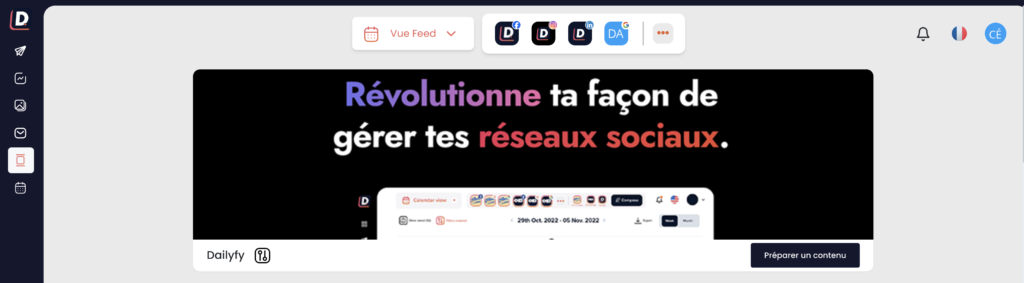
A publishing tool can bring preparation, collaboration and scheduling into one workflow. Evaluate its current network and format coverage for your accounts. Do not choose solely from a generic claim that it supports a platform.
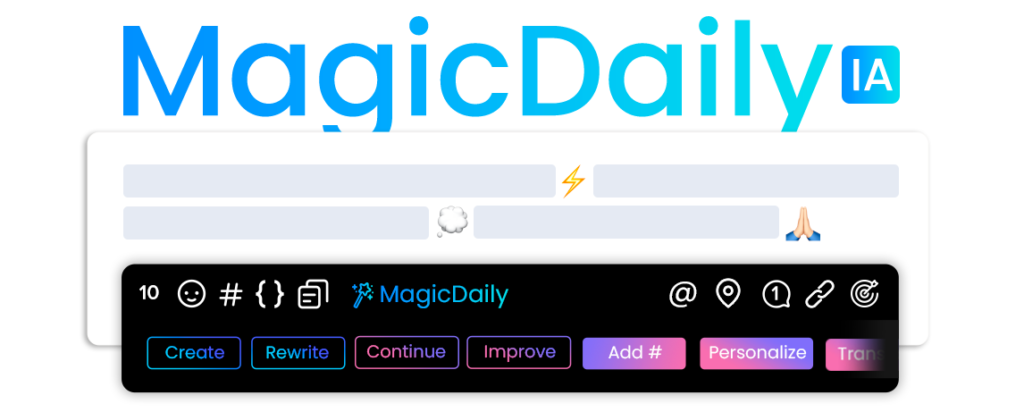
MagicDaily can assist with wording variations, but review the result for accuracy and brand voice. Assign responsibilities for approval and final checks. Include any native finishing step that cannot be handled by the connected tool.
Keep native ideas in the mix
Combine reusable campaigns with content designed for a particular community. There is no fixed rule limiting every campaign to one or two destinations. Select the appropriate scope and evaluate relevant responses over time. The aim is useful consistency and saved effort, not guaranteed reach or identical performance everywhere.