


A low-reach post does not by itself prove your strategy is wrong. Equally, many reactions guarantee neither sales nor a satisfied community. To diagnose social media mistakes, inspect the decisions, data and handovers behind your content. Correct a cause instead of multiplying disconnected activities.
This 2027 edition is a diagnostic framework. Sources were checked on 20 November 2026; future features or changes are not treated as established facts. The historical slug’s “90%” claim is not repeated as fact because no verifiable evidence supports it. Organisational examples below are adaptable recommendations, not industry averages.
1. Publishing without an actionable strategy
Symptom: every urgent request becomes a post, but nobody can explain what the series should change for its audience. Accounts multiply because competitors have them, without production resources or time to reply. “Be more visible” does not help choose a format or decline a platform.
Check: review five recent posts and identify their audience, problem and intended action. If answers differ, write a one-page brief covering objective, audience, evidence, format, owner and review date. Keep only platforms you can maintain. Your community manager workflow should make strategy executable, not merely presentable in meetings.
2. Collecting KPIs without checking their meaning
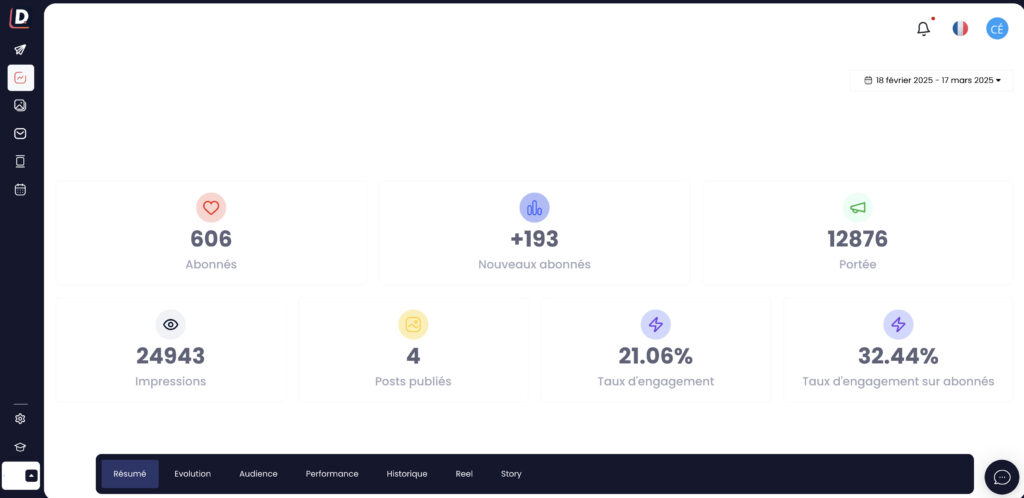
Symptom: the report mixes follower-, impression- and reach-based engagement rates as though they were equivalent. Missing data appears as zero. The “best” post receives the most likes even when the goal is qualified enquiries.
Fix: record formula, source, period, organic or paid scope and counted actions for each measure. Compare compatible objects and explain context. Campaign parameters described by Google Analytics help identify traffic, without guaranteeing perfect attribution. The social KPI measurement guide explains calculations; your diagnostic task is checking that everyone understands the same numbers consistently.
3. Confusing consistency with duplication
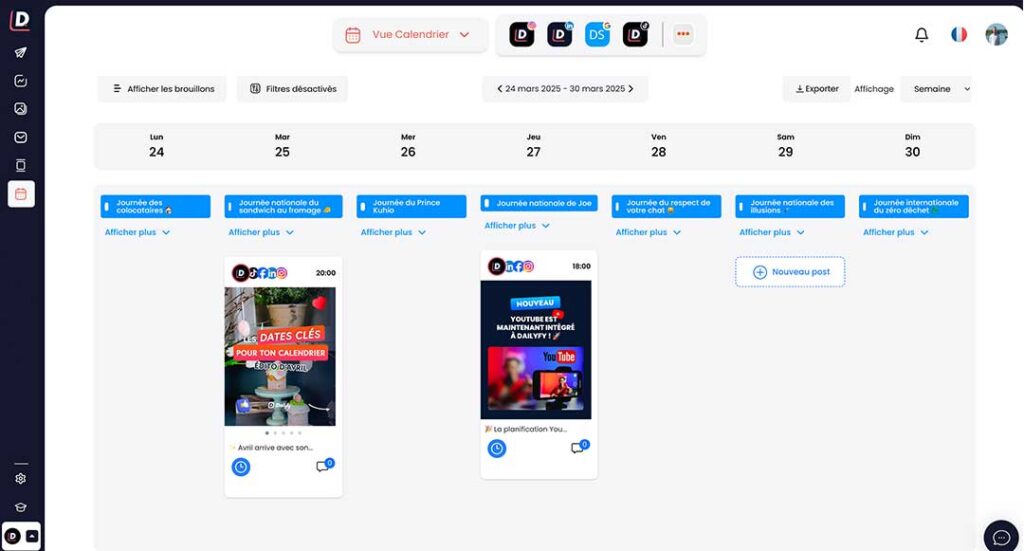
Symptom: the same image, wording and call to action appear everywhere, sometimes with an unusable link or cropped information. At the opposite extreme, every post uses a different voice and the brand’s priority subjects disappear.
Fix: define a few editorial pillars and adapt execution to each network. A customer question can become a short demonstration, a detailed explanation or a conversation. Check previews, captions, readability and actual destination. With scheduling, also plan a post-publication check. Test timing with your own audience; a time slot found in a study is not a universal obligation.
4. Seeking engagement without handling conversations
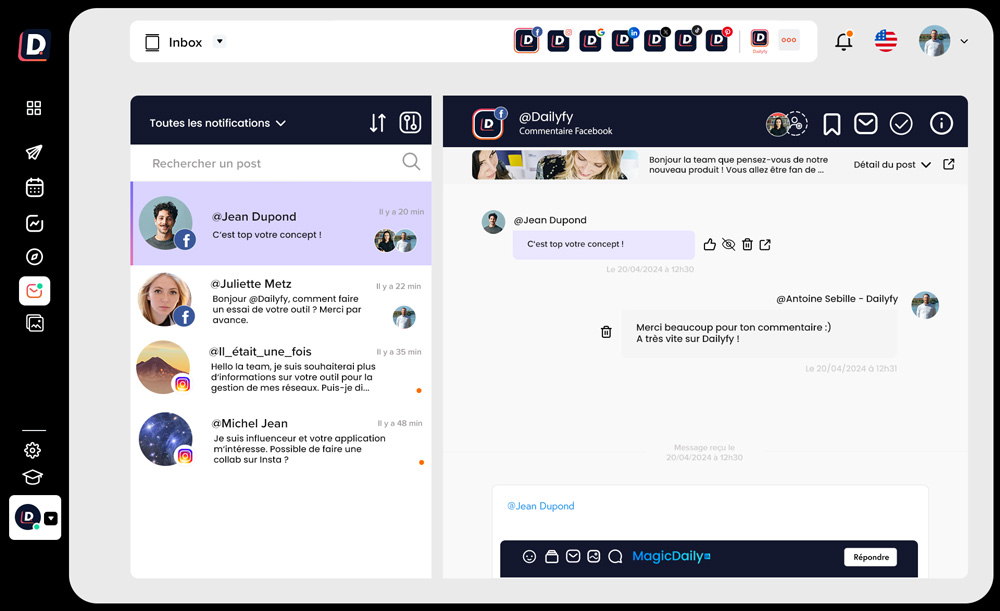
Symptom: your posts ask questions but nobody follows up. Complaints disappear in comment threads, two colleagues answer the same message, or legitimate criticism is removed because it is uncomfortable. Community activity becomes reaction collection rather than an ongoing relationship.
Fix: state service hours, assign cases and separate routine questions, complaints, spam and risk situations. Prepare starting responses, then personalise them. Never request an order number or sensitive details publicly. Moderation methods distinguish replies, protective action and escalation. YouTube’s comment guidance also notes that automated filters can make mistakes: review their decisions.
5. Watching competitors without a method
Symptom: one visible competitor post immediately changes your calendar. You copy its subject or tone without knowing whether it is sponsored, whether its audience matches yours or whether the outcome supports its business. Listening becomes a volume race.
Fix: select relevant organisations and record topic, format, promise, evidence and useful public reactions. Public numbers are not commercial results. Look for unanswered questions or explanations you can provide from your own expertise. Accessible mentions do not represent the entire conversation: social listening cannot read private messages or establish people’s intentions with certainty.
6. Spending on advertising without a testing protocol
Symptom: you automatically promote posts with the most likes without checking the landing page, measured event or enquiry quality. Spending grows while nobody distinguishes revenue, margin and profitability. A better CTR can simply attract less relevant visitors.
Fix: record a hypothesis, objective, acceptable maximum budget and decision date before launch. Check tracking and alignment between promise, audience and destination. Test one important variable at a time where practical; do not generalise from tiny samples. ROAS relates attributed revenue to ad spend; it does not replace profit analysis including relevant costs. Carry out advertising in available ad tools: planned Dailyfy Ads capabilities are not an active feature.
7. Improvising during a crisis
Symptom: one community manager must decide alone whether to pause a campaign, answer an accusation or promise compensation. Contradictory replies circulate. A light-hearted scheduled post appears while the team is still confirming facts.
Fix: prepare a short escalation route with a decision-maker, backup and technical, legal or customer-service contacts. Specify who can stop publishing, what can be stated immediately and when an update will follow. A holding response acknowledges the issue without inventing a conclusion. Retain useful evidence proportionately, then review the initial signal, decisions, handover delays and procedural changes.
8. Manufacturing authenticity instead of showing evidence
Symptom: testimonials are rewritten until their meaning changes, employees sound like press releases, and promises exceed what the product can demonstrate. Informal language does not compensate for missing information. A striking image is not proof of real service use.
Fix: show a process, limitation, demonstration or specific answer. Obtain necessary rights and distinguish customer testimony, employee participation and commercial material. If using AI, verify facts and retain an identifiable editorial owner. Describe Dailyfy only through scheduling, approval, analytics and inbox capabilities actually supported by platform and subscription. X concerns publishing, not X analytics or moderation.
9. Postponing learning and access checks
Symptom: only one person knows how to reconnect accounts, a contractor’s departure triggers no access review, and settings are assumed identical across networks. Old screenshots substitute for documentation after interfaces change.
Fix: maintain a short internal guide, an ownership register and official reference sources. Practise reconnecting an account, correcting a post and escalating a complaint. Review permissions and backup coverage periodically. Assess learning through a completed task explained to a colleague, not simply training attendance. An announced, experimental or unavailable feature should not enter your procedure as though everyone can use it.
Your thirty-minute audit
Review a small recent sample and mark each area controlled, fragile or requiring correction. This is a proposed internal method, not a scientific score. Record missing evidence and an achievable action. Avoid treating the audit as an individual performance judgement: problems often come from process or resource gaps.
| Check | Question | Useful record |
|---|---|---|
| Strategy | For whom, and for what action? | Shared brief |
| Measurement | Stable formula and source? | KPI dictionary |
| Production | Identifiable approved version? | Dated approval |
| Conversations | Who owns the next reply? | Assigned case |
| Risk | Who decides and provides cover? | Escalation procedure |
Address security and incorrect-publication risks first, then one operational obstacle at a time. Give each fix an owner, deadline and observable completion criterion. At the next review, ask what improved and what remains difficult. That discipline provides a more useful diagnosis than tips claiming to guarantee success in 2027.