


Your main difficulty is not always finding a post idea. It may be getting reliable information, locating the correct visual, securing approval and replying to comments without interrupting every other task. A useful community manager workflow makes these handovers explicit. It protects focused production while leaving room for unexpected conversations.
This 2027 edition offers an operating method, not predictions about future features. Sources were checked on 20 November 2026. The schedules, volumes and scenarios below are examples to adapt to your resources, not industry standards or performance promises.
1. Turn strategy into an actionable brief
For each content series, write a one-page brief: audience, problem, objective, available evidence, main message and desired action. “Grow our presence” does not help you choose between an interview and a demonstration. “Help store managers understand our returns procedure” already provides editorial direction and an internal information owner.
Add the platform scope, production budget and subjects to avoid. Your editorial guidelines should cover tone, technical language, accessibility and permission to reuse testimonials. Link to evidence and permissions rather than collecting screenshots without context. Approvers should not have to reconstruct the entire purpose of a post from its draft.
2. Build a calendar around actual capacity
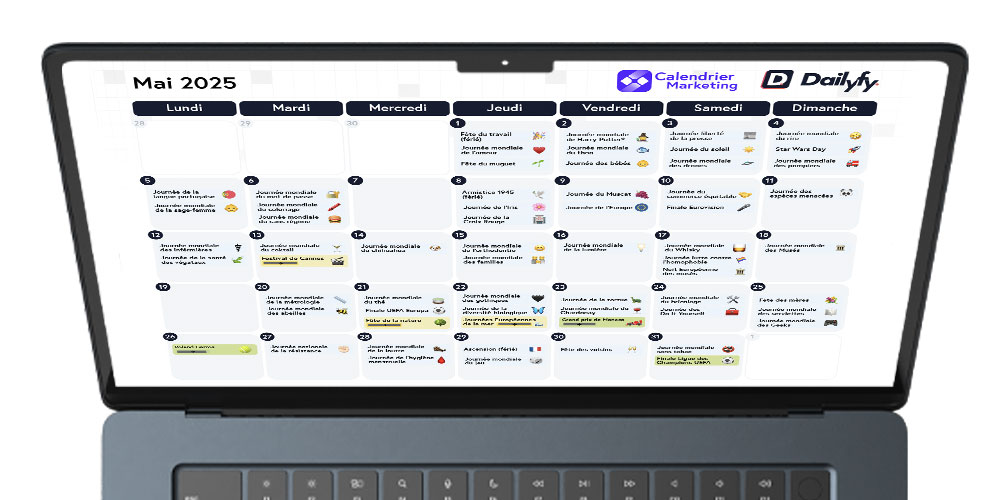
Your editorial calendar should reveal unfinished work as well as publication dates. Include topic, format, owner, source, status, approval deadline, account and destination link. Distinguish events that matter to your audience from occasions you can skip. A full calendar does not prove relevance.
Include replies, meetings and revisions when estimating capacity. If your team can prepare three strong items, planning six complex pieces creates avoidable delays. Keep some space unassigned for recurring questions, verified news or corrections. Post scheduling helps execute the plan; it does not replace media rights checks or time-zone verification.
3. Give every handover a clear state

Use a short sequence: idea, complete brief, production, review, approval, scheduling, publication and learning. Define an exit condition for every state. “Ready” should mean final copy, correct media, a tested destination, necessary disclosures and someone responsible for conversations afterwards. A task without an owner does not become clearer because it appears in software.
| Stage | Owner | Completion evidence |
|---|---|---|
| Brief | Editorial lead | Accessible objective and source |
| Production | Writer or creator | Copy and media ready for review |
| Approval | Named decision-maker | Approval of an identified version |
| Publishing | Community manager | Live result checked |
| Review | Measurement owner | Learning and next action |
Set a correction deadline and a backup for absences. Collaboration and approval workflows help make decisions visible. Avoid scattering approvals across a chat, an email and a different document. The approved version must remain identifiable after revisions.
4. Batch production without making every platform identical
Group information gathering, scripts, visual production and platform adaptations into separate batches. This reduces context switching, but does not justify copying the same post everywhere. A short demonstration can show an action, a document can explain a procedure, and a conversation can surface objections about the same subject.
For short video, check that the opening makes the subject understandable, captions are readable and the content delivers its promise. Preview cropping and interface overlays. The YouTube Analytics documentation distinguishes video measures: choose formats for a purpose, not an assumption that short video wins universally.
Niche communities and employee contributions can inform production. Ask what participants genuinely want to explain, obtain permission and decide who will answer follow-up questions. An employee contribution is not automatically an unsolicited customer recommendation. Preserve that distinction instead of manufacturing authenticity.
5. Use AI for preparation, with human checks
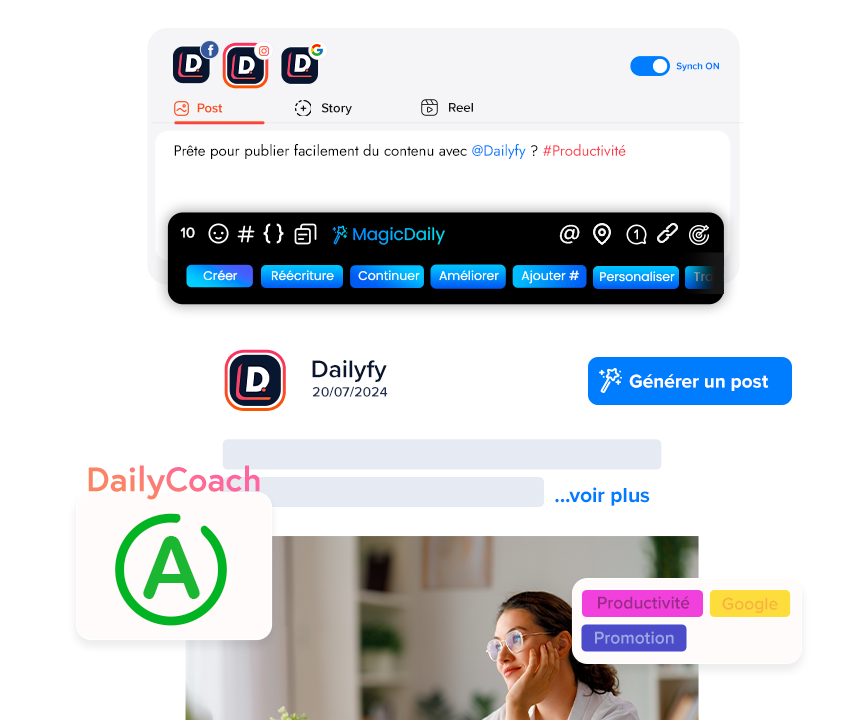
An AI tool can suggest an outline, simplify a paragraph or identify gaps. Provide an approved brief and material you are entitled to use. Do not supply customer data or confidential content without an appropriate framework. A persuasive rewrite does not establish that a number is accurate or a product feature exists.
Before approval, check three things: claims have evidence, examples are labelled, and the wording fits your voice. Review links and translations too. A generated variation is not an experiment by itself. Define the comparison and observe results before generalising. Use drafting time saved for verification and real conversations.
6. Reserve time for conversations and listening
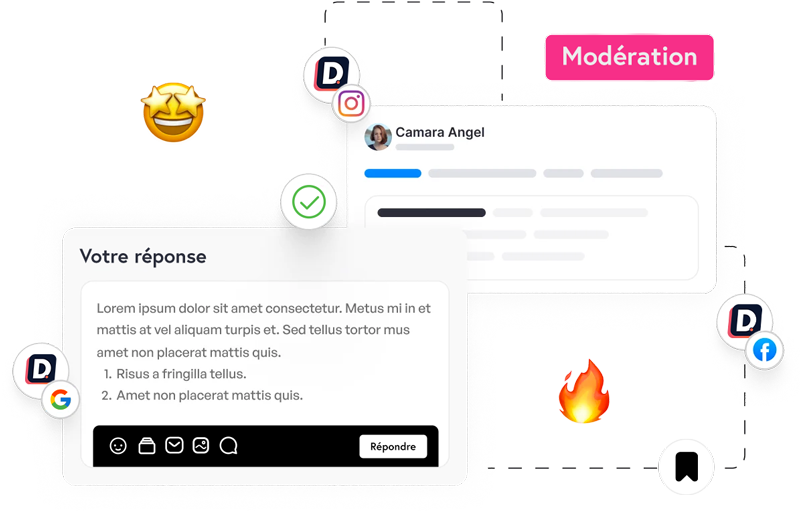
Schedule checks of comments and messages around your service hours. Do not promise continuous coverage without a staffed handover. Separate routine questions, complaints, spam and high-risk situations; assign a case before replying. Our moderation methods explain triage and escalation without treating criticism as abuse.
Keep listening focused and regular: customer questions, official platform announcements, selected industry accounts and accessible mentions. Social listening cannot reveal every private conversation. Record the source and date of a signal, then verify it before changing your calendar. A visible competitor may have a different audience or budget; their posting cadence is not your obligation.
7. End reporting with a decision
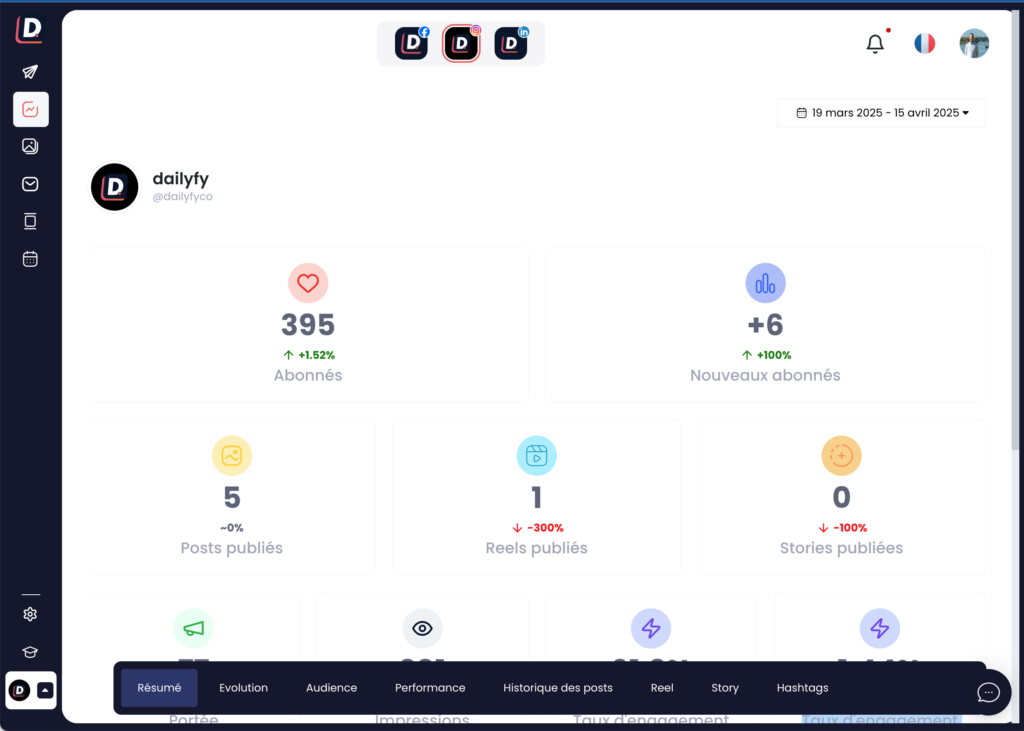
Select a small number of measures for each objective. For an explanatory procedure, resolved questions may matter alongside reach. For a resource link, inspect relevant clicks and measured visits. Google Analytics’ UTM guidance explains campaign parameters. Adopt consistent names and test the destination before publishing.
Use your social media KPI framework to define formulas, periods and attribution limits. Compare reasonably similar content and record changes in budget or circumstances. Finish with a concrete choice: retain a format, clarify an explanation, stop an experiment or prepare better replies. A report without a decision quickly becomes an unread archive.
8. Plan a normal week and a reduced-service week
For example, Monday can cover briefs and listening, Tuesday production, Wednesday approvals and scheduling, and Friday review. Distribute conversation checks and alerts throughout service days. This is a possible rhythm, not a rule; an events team may need a different cycle.
Prepare reduced-service arrangements too. During an absence or incident, which posts can wait, who can pause publishing and where is the approved message? Maintain internal contacts and a short procedure. In a crisis, confirm facts, identify the decision-maker and check already scheduled content. A fast but incorrect reply creates another problem.
Your launch checklist
- Each series has an objective and an owner.
- Media, permissions, links and adaptations are accessible.
- The approved version and deadline are explicit.
- Publishing includes a check of the live result.
- Someone owns conversations and alerts.
- Reporting ends with a dated decision.
Dailyfy can support scheduling, approvals, compatible analytics and inbox work depending on platform and subscription. Check actual coverage before designing your process: X concerns publishing, not X analytics or moderation; planned Ads capabilities are not an available feature. Your method should remain workable when a connection or approval is delayed.