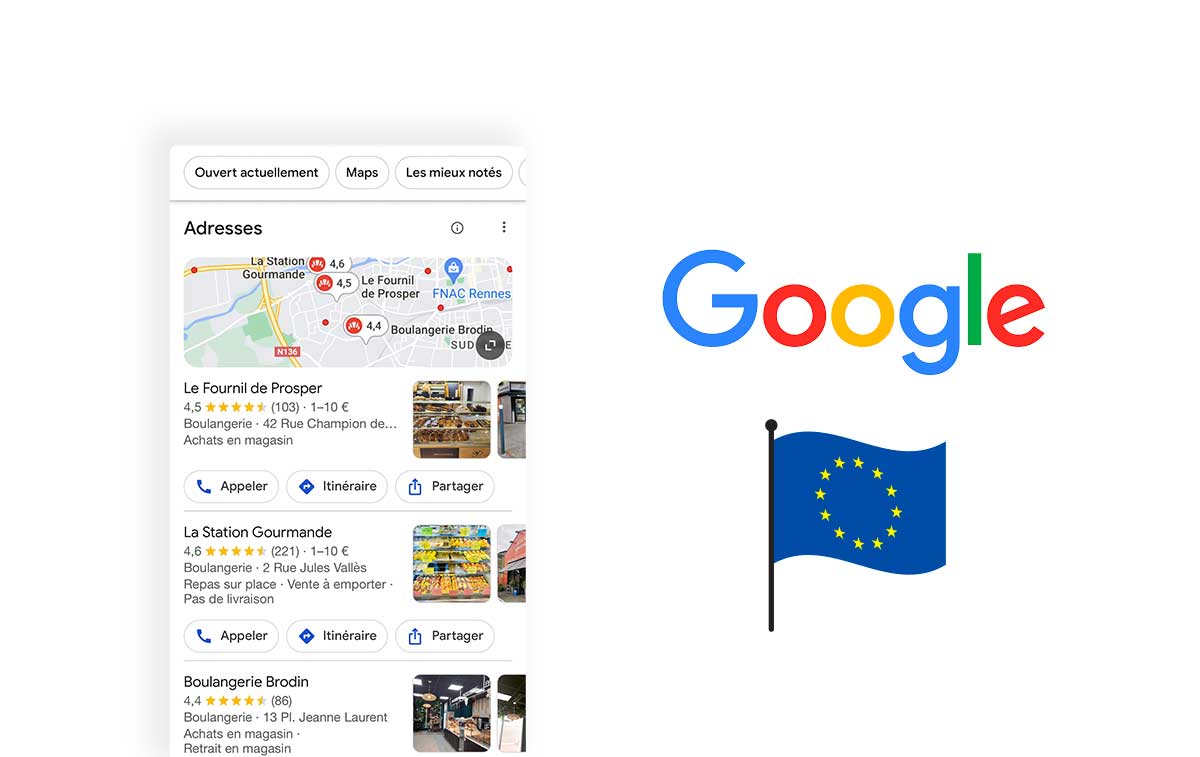
2027 edition; sources checked on 20 November 2026. What does the DMA mean for your business listing? Start by separating regulation, search presentation and the accuracy of your information. This is an operating plan for 2027, not an announcement of future Google features.
What changed, and what should you monitor?
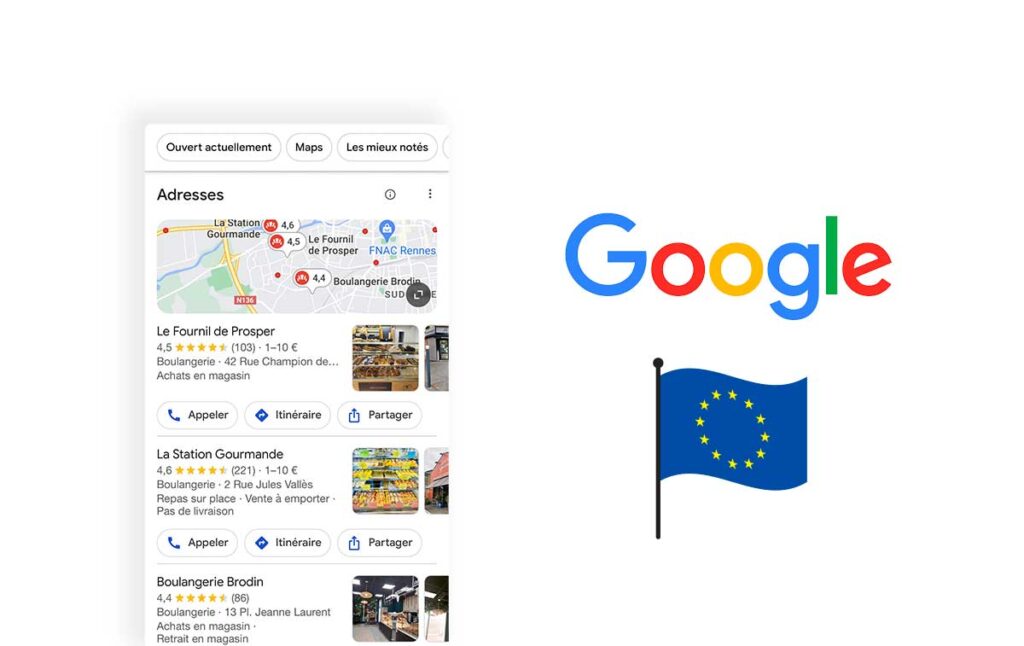
The European Commission explains that Google chose to change some routes to Maps in March 2024; the Commission did not impose those measures. Maps remains accessible.
On 23 July 2026, the Commission found non-compliance concerning self-preferencing in Google Search. That decision concerns Google’s practices, not a requirement to close your listing.
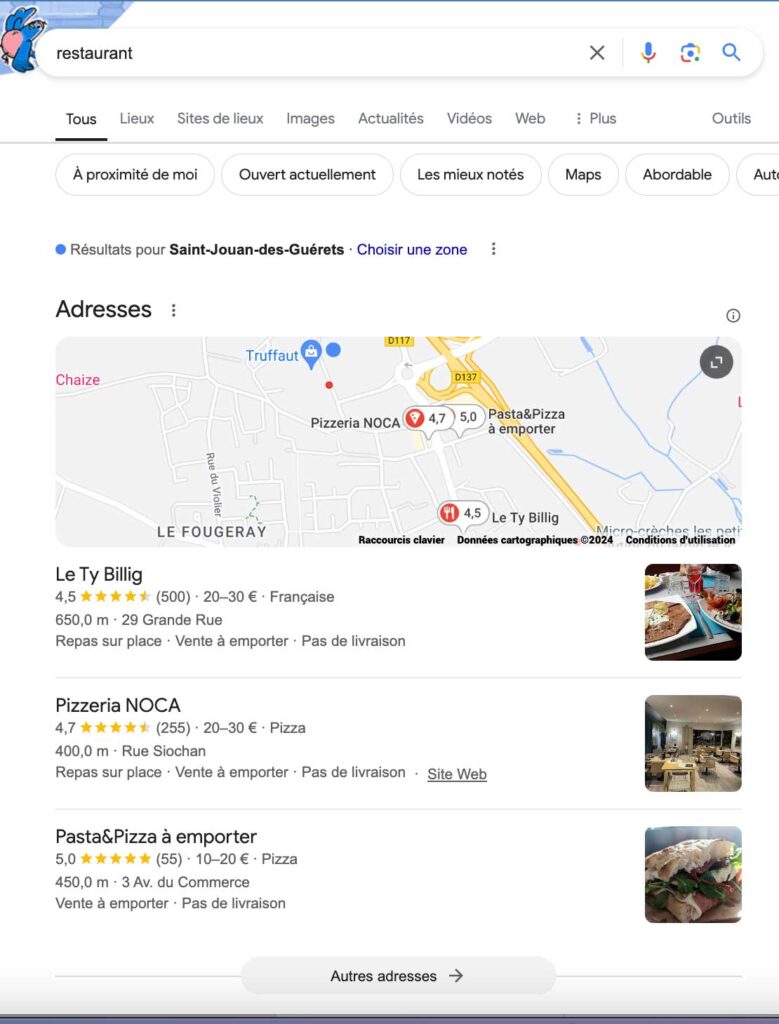
The practical lesson is to avoid depending on one particular position of a Maps button. Record the customer journey you actually see on mobile and desktop, noting the location, date and search query. A single screenshot cannot establish a universal loss of traffic or a percentage decline for every business.
Maintain an accurate profile, not an over-optimized one
Google names relevance, distance and prominence as the main local factors. You cannot move the customer’s location; focus your team on what it can control.
- Assign an owner to each location and review management access.
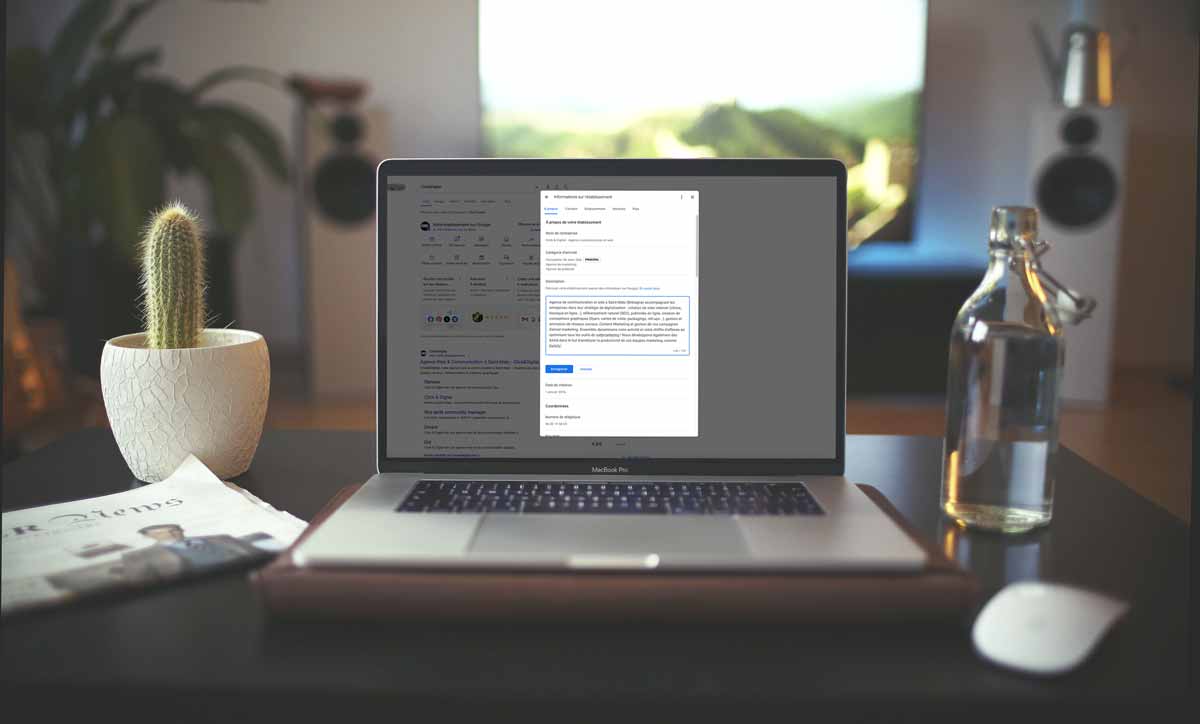
- Check the real business name, address or service area, phone number and correct local landing page.
- Review regular and exceptional hours before holidays.
- Use categories that describe the actual business, without stuffing keywords into its name.
- Add recent photos that help customers recognize the entrance, services and team.
For example, a veterinary practice changing its Saturday hours should update the listing, location page and scheduled posts together. An advertisement promising unavailable appointments can attract clicks while making the customer experience worse. A consistent journey matters more than the sheer number of edits.

Connect the listing to your website and local content
Create a genuinely useful page for each real location: access, services, practical conditions and a clear contact route. Avoid publishing near-identical pages for every surrounding neighborhood. Each destination should answer a question someone has before visiting.
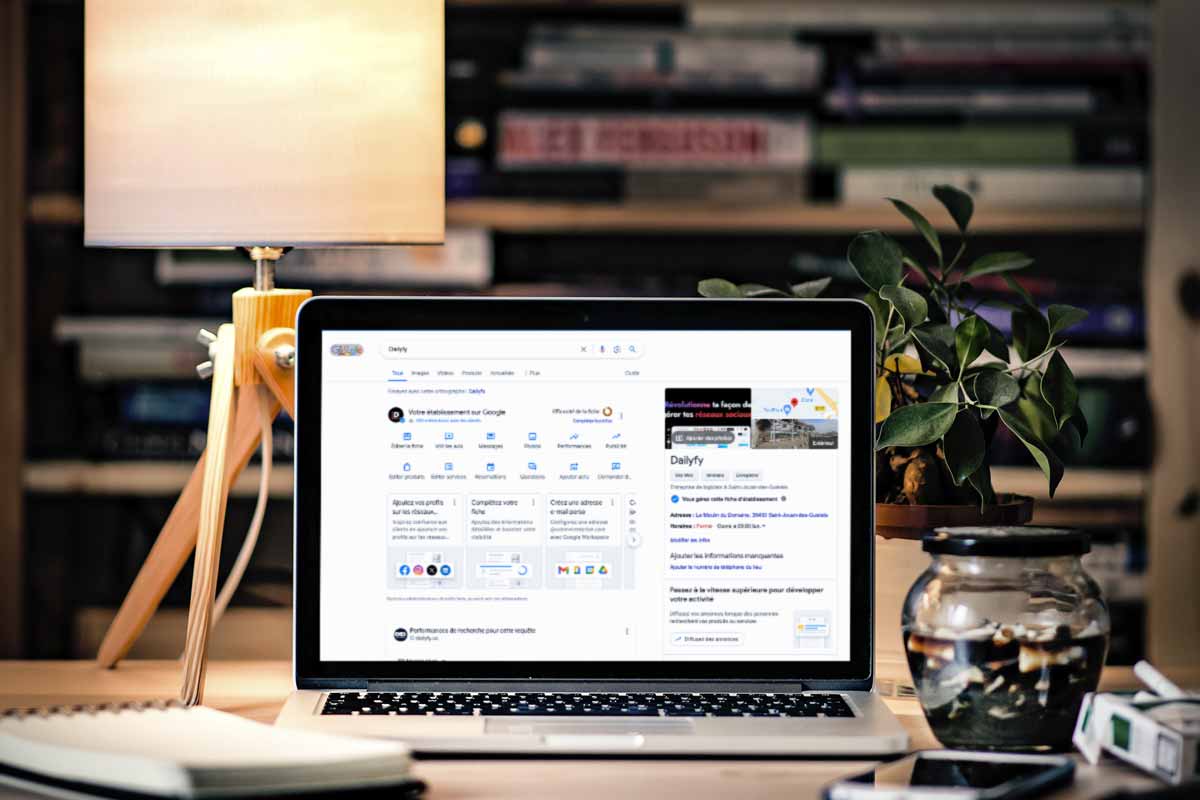
A local post can explain an exceptional closure, introduce a service or show a completed project. Give the useful information first, then link to the page where the customer can act. See Google Business Profile management with Dailyfy to organize this work. Available functions depend on account permissions and supported capabilities; they are not a ranking guarantee.
Keep this task distinct from rebuilding your entire social strategy. The community manager workflow guide covers broader coordination. Here the priority is helping a customer discover a location and complete a local action.
Reviews: address the issue before defending the brand
Decide who replies, the expected response time and when a manager should take over. A public response should acknowledge the subject and offer a useful next step, without exposing personal information or asking someone to disclose sensitive details.
If a review reports a long wait, check the facts internally first. A possible response is: “We are sorry about the wait. Our team can look into your visit if you contact us through our usual channel.” Adapt every response to the real situation. The social media moderation guide helps turn this into a documented escalation process.
Measure useful contacts rather than an impression of visibility
The Google Business Profile Performance report provides interactions applicable to the business. A click on the phone button does not prove that a call connected or a customer was won.
Keep a monthly table with the period, location, website clicks, actual enquiries and events that might explain changes. Compare equal-length periods and separate seasonal demand from interface changes. A promotional spike is not automatically a sustainable baseline.
Suppose website clicks are stable but enquiries fall. Test the form and call button on a phone before rewriting the profile. If enquiries rise while views decline, investigate contact quality instead of declaring failure. Our social media KPI guide develops this distinction between exposure and business outcomes.
Your control plan for 2027
- This week: audit information and test the entire journey to contact.
- Monthly: review interactions, real enquiries and recurring customer questions.
- Before a campaign: approve opening hours, link destination and the person handling replies.
- After a regulatory announcement: read the official source and establish its scope before changing your process.
This reduces dependence on a changing interface while retaining your profile, website and customer relationships. It is an editorial and operational method for local visibility, not individual legal advice about a particular dispute.